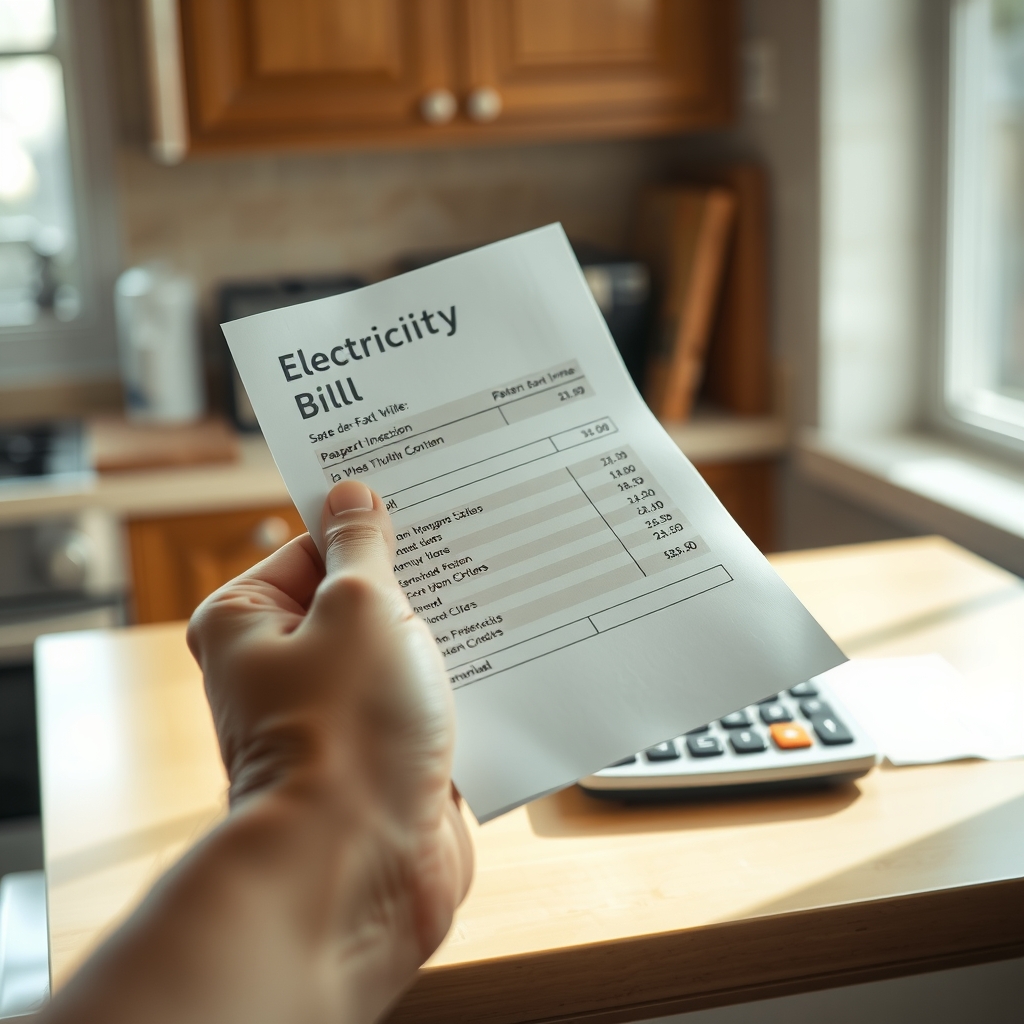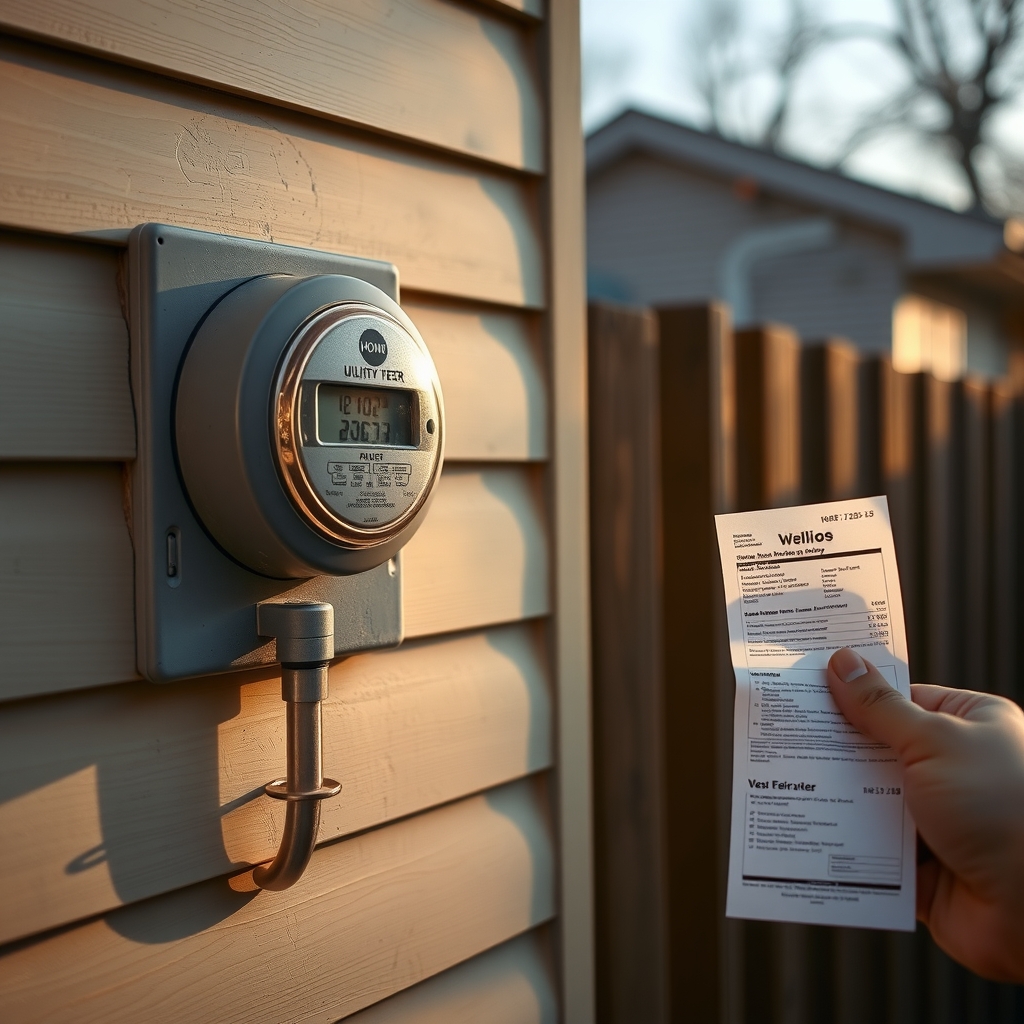
Two houses on the same street can pay very different electric bills for three reasons: the rate per kilowatt-hour, the amount of electricity used, and how the bill is structured. Most people compare dollar totals, which combines all three and tells you nothing. Compare cents per kWh first, then usage, then the fixed charges on the bill.
Start with your effective rate
Your effective rate is the total amount due divided by the kilowatt-hours you used. It includes every charge on the bill, not just the supply line, which is why it is the only number worth comparing with a neighbor.
Pull two bills and do the division. If you used 900 kWh and owed $171, your effective rate is 19 cents per kWh. If a neighbor's effective rate is 14 cents, the difference is not their appliances. It is what they are paying for each unit.
That single calculation sorts the two possible problems apart:
- High rate, normal usage: a plan, supplier or tariff problem.
- Normal rate, high usage: a usage problem, usually an appliance or a habit.
Both can be true at once, which is why you check them in order.
Rate problems: supply, plan and renewal
Where electricity supply is competitive, the supply portion is often a contract with a fixed term and a rate. When it ends, the rate can move to a variable or default rate, and the bill changes without any letter you would notice.
What to look for on the bill:
- The supply rate in cents per kWh, and whether it is fixed or variable.
- The contract end date, or the words month-to-month.
- A separate delivery or distribution charge, which you pay regardless of supplier.
- Any demand charge, common in some commercial and a few residential tariffs, which bills your peak draw rather than total use.
A plan change you did not request is more common than people expect after a promotional period ends.
Usage problems: the always-on load
If your rate is fine, look for what runs when nobody is home. The usual suspects, ranked by how often they turn out to be the answer:
- Water heating. A tank heater maintaining temperature around the clock.
- Heating and cooling. The largest single load in most homes, and the most sensitive to a dirty filter, a leaky duct, or a thermostat schedule nobody set.
- Refrigeration and freezers. Old units, second fridges in the garage, a freezer set colder than needed.
- Dehumidifiers and pool pumps. Long run times, often forgotten.
- Standby loads. Consoles, set-top boxes, chargers, network gear. Small each, but they never stop.
- Lighting left on. Rarely the main cause, often the easiest to fix.
The quickest test is a baseline reading. Note your meter or your utility's hourly usage view on a day when the house is empty and nothing unusual runs. That number is your always-on floor, and it explains a surprising share of a high bill.
Fixed charges and fees deserve a look too
Some bills carry charges that have nothing to do with how much you used: a customer charge, a meter fee, taxes, and sometimes a minimum bill. These are small individually and matter when comparing two bills of similar usage.
Also check for:
- A budget billing plan that has drifted and is now catching up.
- Estimated rather than actual readings, followed by a true-up.
- A rate increase you were notified about months ago.
A comparison you can actually do
| Compare | How | What it tells you |
|---|---|---|
| Effective rate | Total due divided by kWh | Whether you are paying more per unit |
| Usage | kWh on two similar months | Whether something changed in the house |
| Always-on floor | Usage on an empty day | Whether something runs constantly |
| Fixed charges | The lines that do not vary with use | Whether the bill structure changed |
Do this before changing anything. Without the numbers you are guessing, and guessing usually means replacing an appliance that was not the problem.
Where WattWise fits
WattWise takes a photo of your electric bill, reads the numbers with vision AI, and asks you to confirm or correct them before any math runs. It then computes your effective rate and compares it against your area's typical residential rate, using the utility's own published tariff where available and otherwise the EIA state average, naming the source and its effective date. The free tier gives you the gauge, an overpaying, fair or good verdict, and one line on the likely culprit.
The $14.99 one-time audit decodes every line of the bill, points to where the money leaks, suggests a cheaper plan or supplier based on current location-applicable data, and includes a word-for-word script for the call plus a printable PDF. Ongoing monitoring is $7.99 per month. The bill photo is analyzed once and discarded, and the rate math is deterministic code rather than a model's estimate.
What to do this week
- Divide total due by kWh on your last bill. Write the number down.
- Find your supply rate and contract end date.
- Take one baseline reading on an empty afternoon.
- Fix the cheapest thing first: filter, thermostat schedule, the second fridge.
Then compare again next month with the same three numbers. Comparing rates instead of totals is what turns a complaint into a decision.
For the calculation itself, how to calculate your electric bill cost per kWh walks through it line by line.
Official rate data is published by the U.S. Energy Information Administration at https://www.eia.gov/electricity/ and by many state utility commissions.
This is general information, not professional, financial or safety advice. For wiring, panel or appliance repairs, use a licensed electrician.